THE BEST OF THE PAST:
The Best of the Past
Specialist # Mammography #Radiology#Followtheirlead
Interviewee: Ms. Zareen Khan
Interview recorded by Dr. Shayan Anwar
One of my proudest 'aha' moments was when I was selected from my department for an international training and attachment at Beth Israel Deaconess Medical Center in Boston, USA. This opportunity was granted through Aga Khan University Hospital with the support of hospital donors, and being chosen for this program was a great honor for me.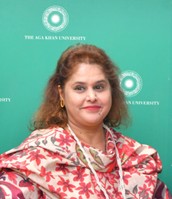
As a female mammography trainer, I was also given the opportunity to travel to Kabul, Afghanistan, to train radiographers at FMIC. This experience was especially meaningful because I was able to contribute to capacity building in a challenging healthcare environment.
Additionally, I completed an attachment at Shaukat Khanum Cancer Hospital, Lahore. In Pakistan, we are among the pioneers in implementing Contrast-Enhanced Mammography, a new technology that enables faster and more accurate diagnosis. These experiences made me extremely proud to be part of a progressive and impactful mammography team.
I began my professional journey at Aga Khan University Hospital as a Trainee Radiographer. Over time, through continuous learning, dedication, and hands-on experience, I progressed to my current role as a Mammography Specialist. During my training, I gained exposure to multiple modalities within radiology; however, mammography quickly became my area of greatest interest. I was especially drawn to learning new technological advancements, refining imaging techniques, and developing strong hands-on clinical skills. I also developed a passion for teaching and mentoring others in mammography, which further motivated my growth in this specialty.
- When you think about your values and the work you do, what is the one thing your profession has given you that you value the most?
The most valuable thing my profession has given me is the opportunity to work in a supportive and friendly environment with dedicated colleagues, while delivering high-quality patient care without any compromise on standards or procedures. I take great pride in being part of a team that prioritizes patient safety, accuracy, and compassion.
I also strongly believe that learning never truly stops in one's career. Every day brings new experiences, advancements, and opportunities to grow, and this continuous learning is something I deeply value in my profession.
- As a senior radiographer in the country, how have you seen mammography practices grow among allied health professionals in Pakistan, and how do you imagine things evolving over the next 10 years?
As a senior radiographer in Pakistan, I have witnessed significant growth in mammography practices among allied health professionals. At our hospital, we adhere to international standards to ensure that patients receive high-quality and safe imaging services. This commitment has helped elevate the overall level of care and professionalism in the field.
Looking ahead over the next 10 years, I see artificial intelligence and emerging technologies playing an increasingly vital role in mammography procedures. Despite these advancements, the role of the radiographer will remain central—combining technical expertise, clinical judgment, and patient care to ensure accurate diagnoses and optimal outcomes.
- What advice would you like to share with junior radiographers who are just starting their careers?
My advice to junior radiographers just starting their careers is to embrace the vast opportunities that radiology offers, especially if they are passionate about building a long-term career in this field. Radiology is constantly evolving, so staying curious, committed, and proactive in learning new techniques is key.
At Aga Khan University Hospital, trainees are fortunate to receive a stipend during their training, which allows them to focus fully on developing their skills. This is a unique advantage compared to many other hospitals where trainees may have to pay for their own training. I encourage juniors to make the most of such opportunities and to always value hands-on experience, mentorship, and continuous learning.