Alumni Spotlight
Muhammed Yaser Hasan MBBS '06
How do you stay motivated and continue learning in your field,
especially in a world that’s constantly evolving?
The desire to improve - both in terms of personal growth and improving patients' lives - is a key motivating factor. The only way to improve is to keep learning, and in our profession every interaction - whether in the operating theatre or the clinic - offers an opportunity to refine skills and gain new insights. 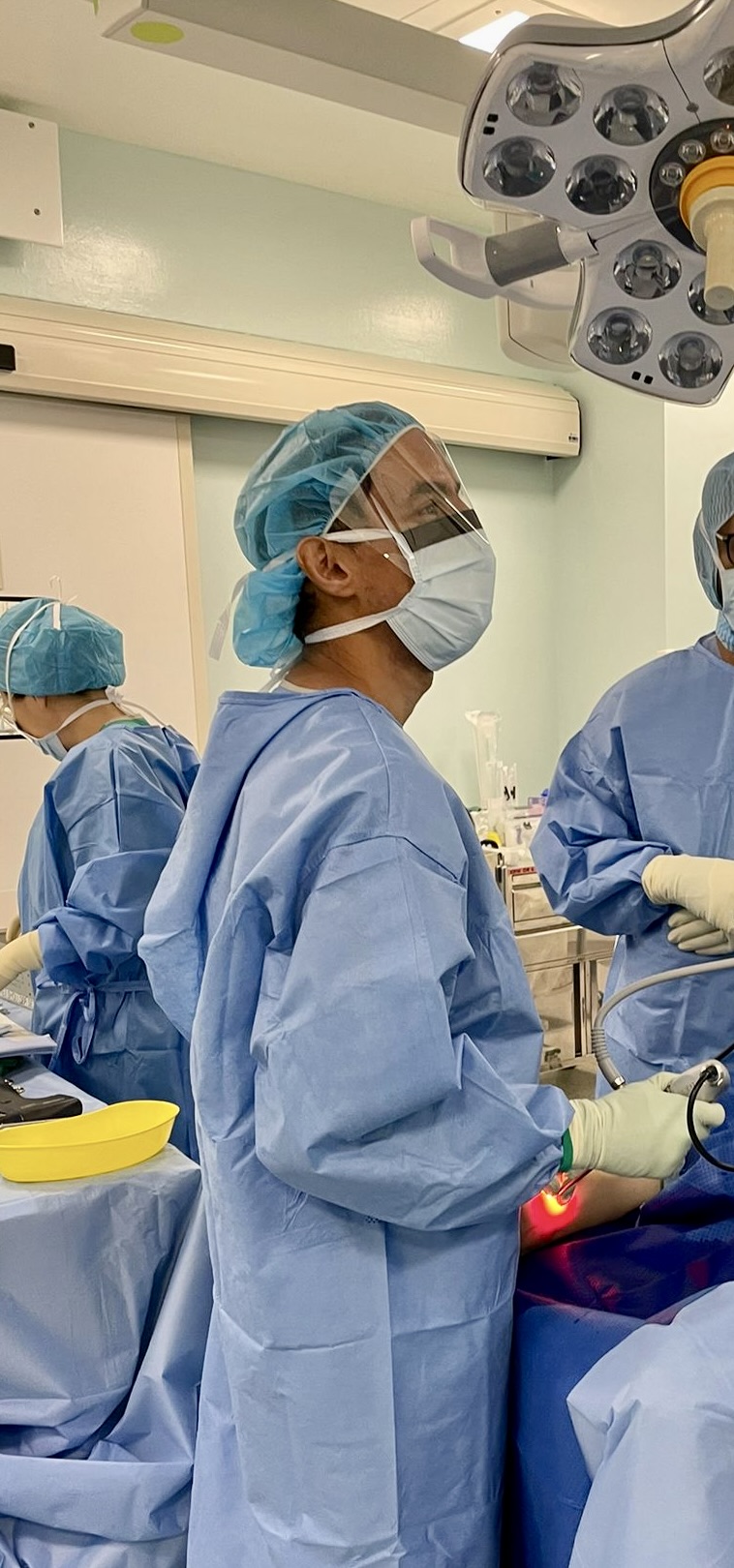 Whilst the technologies around us are evolving rapidly, it is also making knowledge more accessible and learning more easier than for any other previous generation. In many ways, this makes it an exciting time to be in medicine, with more opportunities than ever to continually improve ourselves and provide better care for our patients.
In your experience, what are some things the healthcare sector in
Singapore is doing right that we can learn from and apply to Pakistan?
It is difficult to directly compare Singapore and Pakistan because the scale and context of the two countries are very different. However, one of the key strengths of Singapore's system - both in healthcare and across other sectors - is its uncompromising culture of meritocracy, discipline, and accountability. These principles form the foundation of any effective institutions and particularly in healthcare, help ensure high standards of safe and reliable care.
Since you also trained in Singapore, what similarities and/or differences did you observe between your education at AKU and NUS?
At AKU you are exposed to very high standards of systems, both at the university and the hospital. As a medical student learning in this environment, helps build strong foundations and a strong work ethic. Additionally, AKU faculty also foster's the need to continuously improve these systems through research and creativity, which explains the strong research involvement of many AKU graduates. All this made my transition to postgraduate training in an academic centre in Singapore much smoother.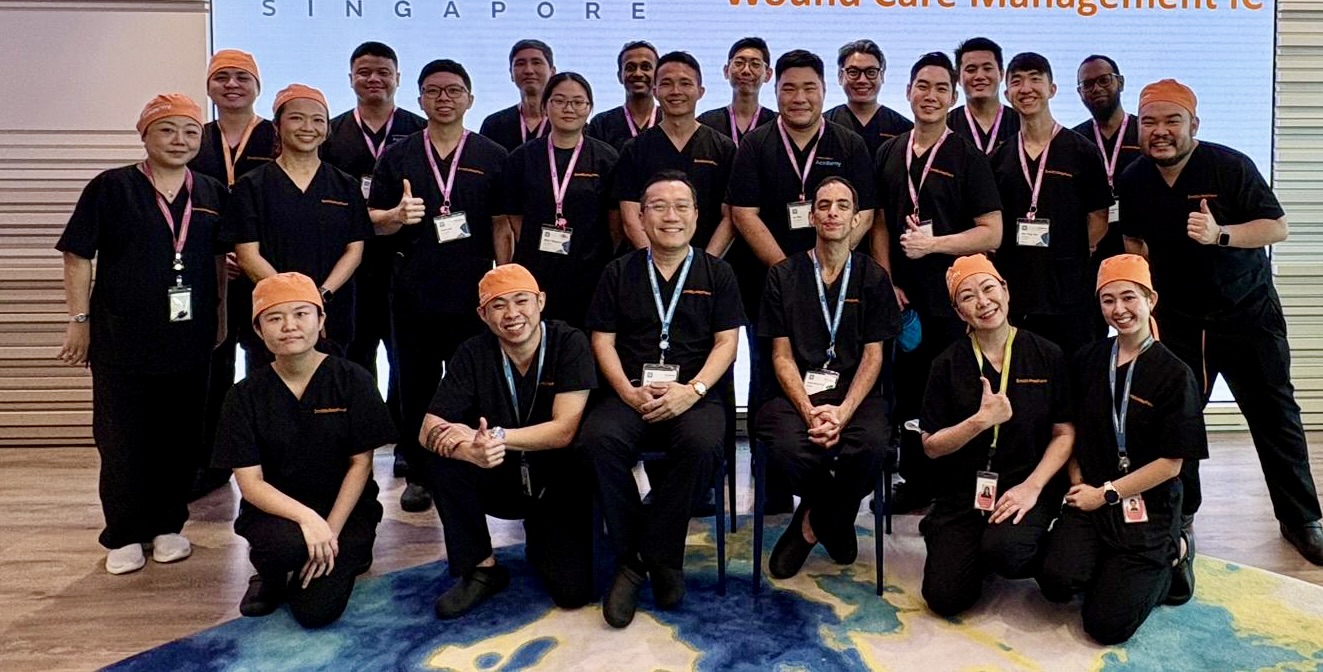
Could you highlight some of your key research interests and any
impactful projects you have worked on?
My research interests are primarily in Orthopaedic Trauma and Foot & Ankle surgery. My work ranges from large data-driven studies examining the evolving epidemiology of musculoskeletal trauma in Singapore and the economic burden of diabetic foot disease, to more focused biomechanical research aimed at improving surgical techniques for complex foot and ankle conditions. Whether working with large clinical datasets or smaller biomechanical models, the goal remains the same: Translate research into practical improvements in patient care.
What does an average day in your professional life look like?
An average day is a balance between clinical work, academics, research, administration, and family time. One practical piece of advice I often share is to live close to the hospital if possible - it saves me valuable commuting time and often allows me run or cycle to and from work. Depending on the schedule, the day moves between academic meetings, ward rounds, operating theatre and outpatient clinics. Being called back after hours is also very common and an accepted part our job. Overall, it is a privilege to practice this profession, and the demands are also what make it meaningful and rewarding.
From your time at AKU, do you have a favourite moment, anecdote or
incident that is etched in your memory? How would you describe that journey?
One of my favourite aspects of AKU was the opportunity to spend five years with some of the brightest and most driven people from all over Pakistan. Coming from Karachi, it was a unique experience to interact closely with students from many different regions and backgrounds. Despite our cultures differences, we all shared the same drive to learn, grow, and care. Those friendships and shared experiences have been a defining part of both my professional and personal journey.
Past Alumni Spotlight
1. Dr Philomena Drago
2. Dr Bashir Hanif
3. Dr Sehreen Khan
4. Dr Naila Baig Ansari
5. Dr Muhammad Asim Khan
6. Dr Azam Jan
7. Dr Rahat Naz
8. Dr Faysal Subhani
9. Dr Alina Sadaf
10. Dr Hamid Daud Naeem
11. Muhammad Tahir Yousafzai
12. Dr Sana Sheikh