Alumni Spotlight
Sana Sheikh MSc Epi/Bio '10 & PhD '23
How do you stay motivated and continue learning in your field, especially in a world that's constantly evolving?
Two things keep me motivated: desire for creativity and mentoring/guiding others for research.
The need to innovate is met through my constant engagement with the leading edge of medical science. My involvement with several international journals, grant review committees, and Ethics review boards keeps me at the forefront of emerging methodologies, ethical standards, and funding priorities. Being a reviewer requires constantly updating my knowledge and keeping pace with the evolving world. The constant learning helps to identify evidence gaps and create research ideas.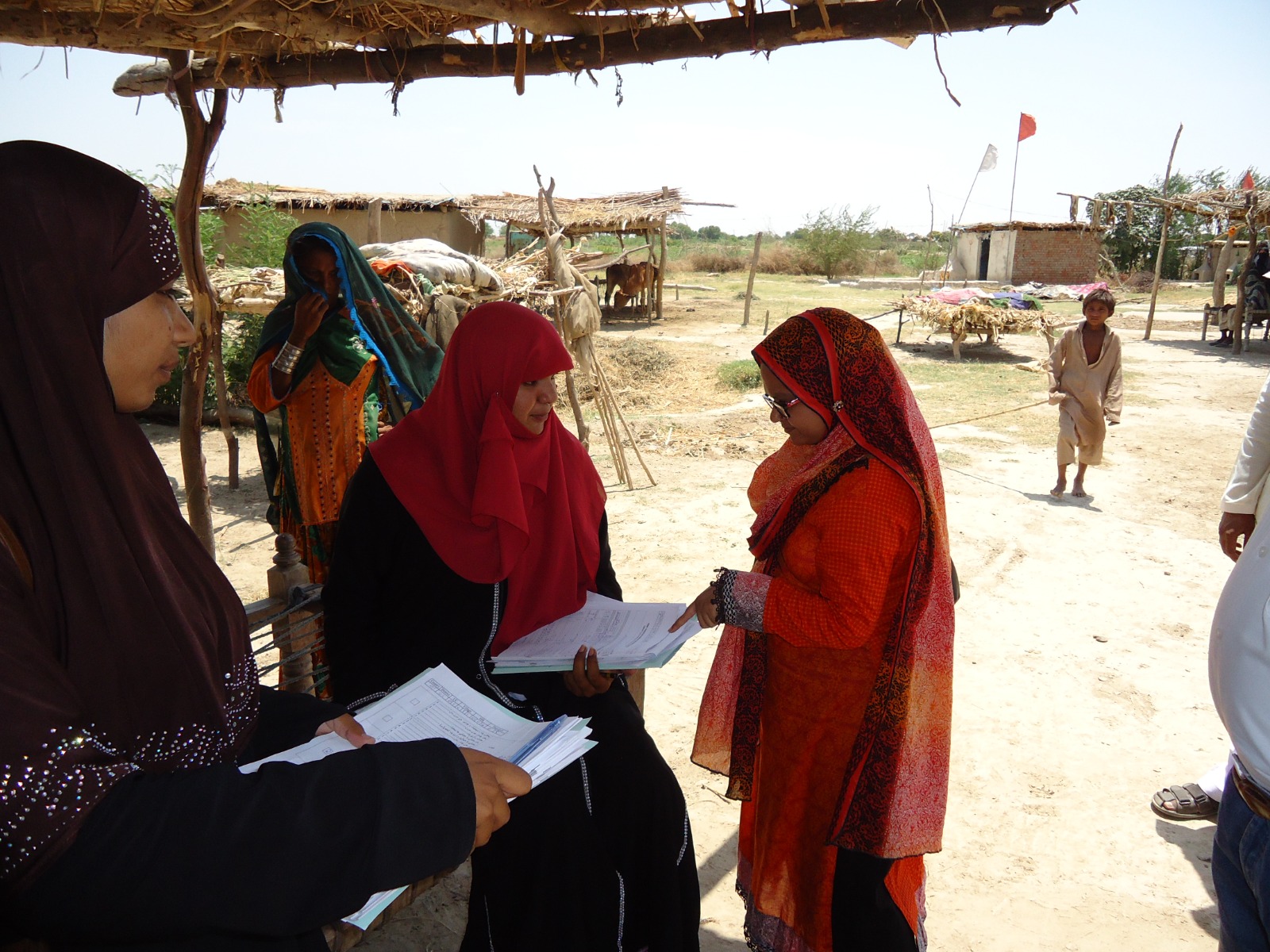
By guiding students and young researchers, including an Early Career Woman Researcher from Africa, I am constantly challenged to simplify complex research concepts and identify contextually relevant solutions. This, in turn, compels me to revisit and deepen my global health expertise.
In your vast experience, what are the most pressing healthcare needs of the people of Pakistan? Where are we, as a healthcare community, doing well and where do we need more effort and investment?
The most pressing and rapidly evolving challenge in Pakistan is the triple burden of disease, specifically the alarming and poorly documented emergence of Non-Communicable Diseases (NCDs). While we still grapple with infectious diseases and maternal and child health issues, NCDs like cardiovascular disease, diabetes, hypertension, now account for well over half of all deaths and are striking a younger population compared to Western countries. The greatest gap is the lack of comprehensive, nationally representative data. We need to transition from fragmented, small-scale studies to a robust, integrated surveillance system and longitudinal studies. Dedicated national NCD registries and the integration of NCD metrics into existing data collection systems, such as the Demographic and Health Surveys (DHS).
As a health community, we have improved maternal and child mortality and now we should also focus on youth and elderly, both females and males. A positive sign is the growing, official recognition of the NCD crisis by the Government of Pakistan. An example of it is National Action Framework for NCD and Mental Health (2021-2030). I am part of a working group that is developing Lady Health Worker's manual for NCDs. The working group is led by AKU and has multiple collaborating institutes from Sindh. Lady Health Worker program, Sindh has endorsed the initiative and actively engaged with us to implement it. These initiatives reflect a national level commitment to integrate NCD care into the primary health system. However, the lack of local disease burden data limits the advocacy and resource allocation for NCDs.
Could you highlight some of your key research interests and any impactful projects you have worked on?
My key research interests include adolescents and young adults' health, preventive cardiology with particular focus on nutrition, lifestyle, and built environment.
While truly impactful work often takes a lifetime, one project I want to highlight is my current research on the food environment and cardiometabolic health among young people. This project examines how the “food streets" of Karachi influence healthy and unhealthy eating behaviour, and how these behaviours are linked to the risk of hypertension, diabetes, and dyslipidaemia in young adults.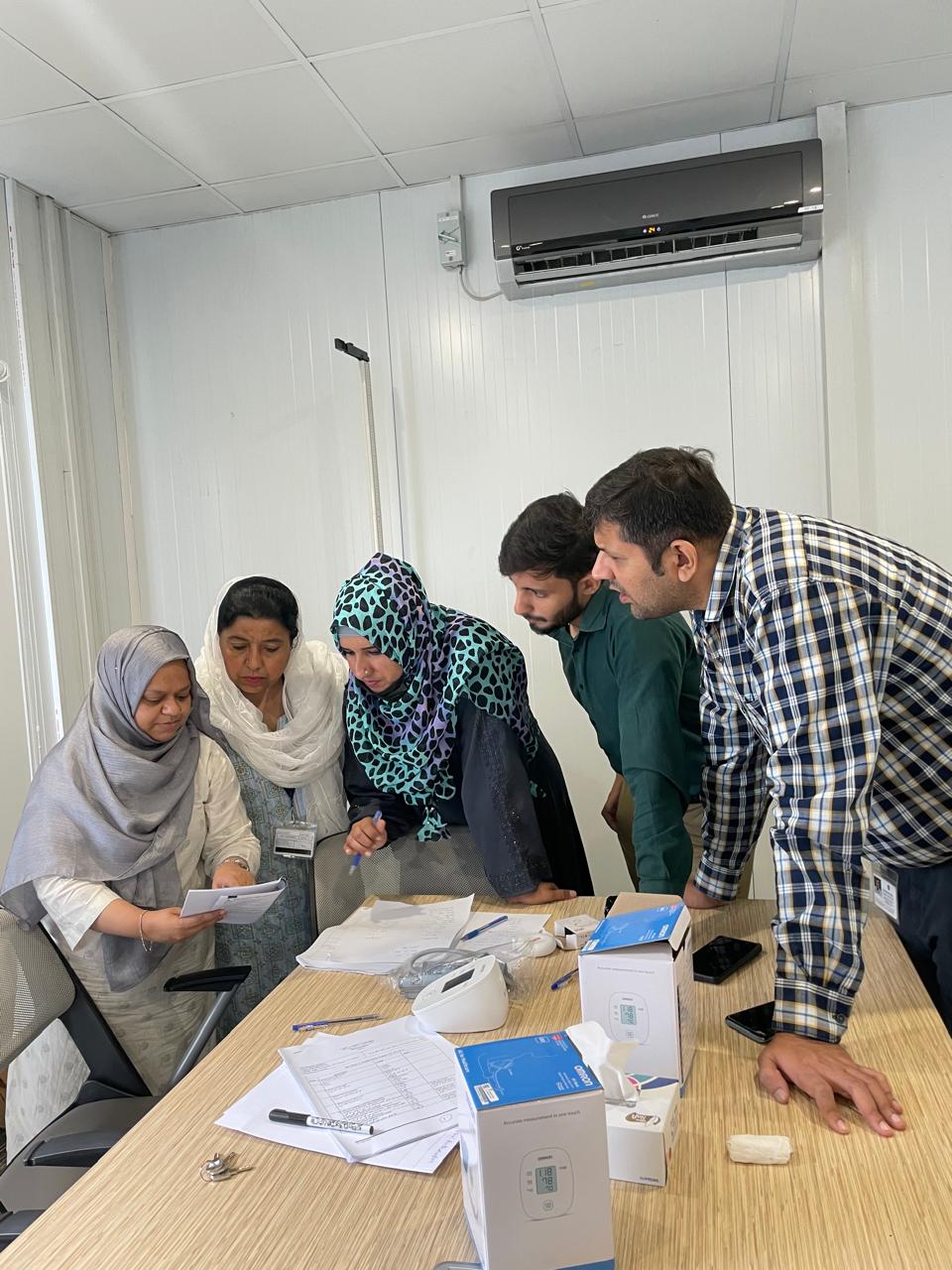
The goal of this work is to co-create scalable interventions with young people, food outlet owners, and government stakeholders to promote healthier food environment across the city. This is an ambitious effort. There is currently no comprehensive data on food environment of the city of more than 20 million people. There are no established models for implementing targeted, city-level interventions to curb the growing burden of cardiovascular disease.
This project is funded by the Wellcome Trust Discovery Scheme and marks the first time a Wellcome Early Career Award has been awarded to a Pakistan-based scientist, making it a particularly meaningful milestone in my research journey.
What does an average day in your professional life look like?
I am a morning person so most mornings start early, often with work that needs concentration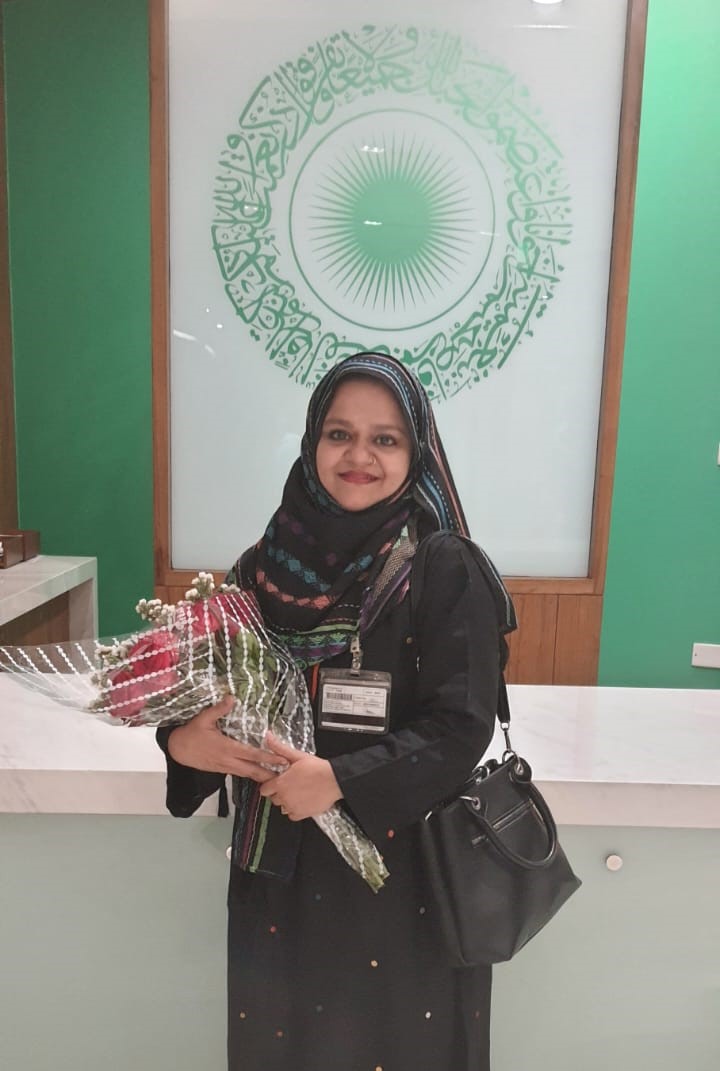 such as writing/reviewing papers, reports, and proposals. Later part of the day is spent in responding to emails, and administrative tasks. A typical day might include meetings with project team, field workers, statisticians and clinicians to health officials and community partners. I also spend a significant amount of time mentoring junior researchers and teaching activities. Some days are spent in the field visits for monitoring data collection and data management activities. These moments are grounding, they remind me that behind every data point is a real person and a real story. Overall, a typical day includes scientific work, teaching, and a lot of administrative tasks.
From your time at AKU, do you have a favorite moment, anecdote or incident that is etched in your memory? How would you describe that journey?
My journey at AKU has been one of steady growth, guided by generous mentors, supportive colleagues, and an environment that valued both curiosity and rigor. I was given opportunities to lead, to make mistakes, to learn, and to grow. I progressed from a research associate managing small components of studies to leading grants, mentoring students, and now as a Vice Chair building research programmes for the Department of Medicine.
Looking back, what aspects of AKU's environment or values had the most lasting impact on your personal and professional development?
What I cherish most is the culture of collaboration and trust. AKU didn't just train me to be a better researcher; it taught me how to be a thoughtful colleague, a responsible mentor, and a public health scientist driven by purpose. My journey was not just a change in titles, it was a transformation in confidence, vision, and responsibility. I remain deeply grateful for that journey and for the people who believed in me much more than I believe in myself.
Past Alumni Spotlight
- Dr Philomena Drago
- Dr Bashir Hanif
- Dr Sehreen Khan
- Dr Naila Baig Ansari
- Dr Muhammad Asim Khan
- Dr Azam Jan
- Dr Rahat Naz
- Dr Faysal Subhani
- Dr Alina Sadaf
- Dr Hamid Daud Naeem
- Dr Muhammad Tahir Yousafzai