Translating Research, Making Science Accessible
Translating Research, Making Science Accessible
About the Project
This project is a dedicated effort by the Family Larsson-Rosenquist Foundation and Aga Khan University to make sure that the best research on breastfeeding actually reaches the people who need it. The problem we face in global health is that while we have mountains of evidence showing that exclusive breastfeeding for the first six months is vital, that information often stays locked away in complex academic journals. This creates a "knowledge gap" where the people making policies or working in clinics don't always have the most practical or up-to-date tools to guide their work.
The project steps in to bridge this gap by taking high-quality reviews and translating them into clear scientific summaries. These aren't just generic reports; they are designed to support clinical practice, help design health interventions, and give advocates the evidence they need to push for better policies. This project includes a range of topics, like how colostrum builds a baby's immune system and the role of the gut microbiome, to the very practical challenges of keeping breastfeeding going during humanitarian crises.
What makes this work so important is its breadth. We are not only translating evidence for systemic issues such as aggressive marketing of formula and child health problems like wasting and stunting, but also looking at evidence for normal baby behaviors like crying and sleep. By taking this research and making it usable, the project directly supports the United Nations Sustainable Development Goals. It's about moving beyond just "knowing" the science to actually using it to improve the lives of mothers and infants around the world, ensuring that every healthcare decision or policy is backed by the best evidence available.
Project Objectives
- To translate high-quality breastfeeding and child health research into accessible, stakeholder-centered scientific summaries that inform clinical practice and policy.
Methodology / Approach
Study type/design: Observational studies / Randomized Controlled Trials (RCTs). Research methods: Systematic review.
Our approach is built on a rigorous, step-by-step process to ensure we are only using the most reliable evidence available. We start by conducting a systematic search across major databases to find existing systematic reviews for each specific topic. Rather than looking at individual, isolated studies, we prioritize these high-level reviews because they have already synthesized a vast amount of data, giving us a more accurate and "big picture" view of the current science.
Once we've identified the relevant reviews, we perform a thorough gap analysis to check for quality and recency. This ensures that the information we use is not only scientifically sound but also up to date. From there, we move into the Knowledge Translation phase, where we condense the findings from these top-tier reviews into clear, structured scientific summaries. These summaries are written specifically to turn heavy academic data into practical, easy-to-read tools that clinicians, policymakers, and advocates can use to make informed decisions in the real world.
Study Location
Not applicable. This project involves evidence synthesis and knowledge translation rather than field-based data collection.
Target Population / Beneficiaries
- Pregnant women
- Children
- Health workers
Project Team

Principal Investigator
Dr Zulfiqar Ahmed BhuttaDirector, Institute for Global Health and Development, and Distinguished University Professor
Aga Khan University
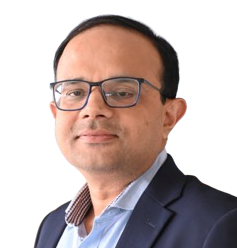
Co-Principal Investigator
Dr Jai Kumar DasAssociate Director, Institute for Global Health and Development, and Associate Professor
Aga Khan University
Project Management and Coordination

Rahima Yasin
Other Key Team Members
Umaima Zaki
Research Partners
Institute for Global Health and Development Aga Khan University

Family Larsson-Rosenquist Foundation Switzerland
Supported By
Family Larsson-Rosenquist Foundation Switzerland
Grant Status
Active / Ongoing
Key Achievements
This section will be updated as the project progresses.
Expected Outputs / Deliverables
- Guidelines or recommendations
Reports and Resources
This section will be updated as the project progresses.
Why This Matters
This project is vital because it transforms complex data into life-saving action. By providing clinicians and policymakers with clear, evidence-based summaries, we can directly improve maternal and child health outcomes, particularly in vulnerable and humanitarian settings. Strengthening the link between research and reality leads to more robust policy planning, better nutrition, and enhanced food security. Ultimately, this work drives progress toward the United Nations Sustainable Development Goals by ensuring that global health strategies are not just well-intentioned, but are grounded in the most current and rigorous scientific evidence available.
Keywords
Breastfeeding; Exclusive Breastfeeding; Neonatal Outcomes; Infant Outcomes; Infant and Young Child Feeding (IYCF)
Contact
Rahima Yasin
Research Coordinator
Institute for Global Health and Development
Aga Khan University
Email:
rahima.yasin@aku.edu
Project Photo Gallery
This section will be updated as the project progresses.