Promoting Climate Resilience, Preparedness, Adaptation, and Response (PREPARE Pakistan)
Promoting Climate Resilience, Preparedness, Adaptation, and Response (PREPARE Pakistan)
About the Project
Pakistan ranks among the world's most climate-vulnerable countries, facing recurrent floods, droughts, heatwaves, glacial hazards, and environmental degradation that disproportionately affect poor, rural, and marginalized populations. Despite recurring climate shocks, vulnerability assessments integrating socioeconomic, environmental, and health-related indicators remain limited and infrequently updated. The PREPARE Pakistan project, supported by IDRC, addresses this gap by generating district-level, household-level vulnerability and resilience profiles across five high-risk districts: Shigar and Ghizer (Gilgit-Baltistan), Badin and Dadu (Sindh), and Kachhi (Balochistan).
A cross-sectional survey of 1,993 households employed an integrated assessment tool combining the Multidimensional Livelihood Vulnerability Index (MLVI) and the Disaster Resilience Index (DRI). Modules captured demographic, socioeconomic, livelihood, food security, environmental exposure, adaptive capacity, disaster preparedness, and anthropometric indicators. Spatial cluster mapping further revealed intra-district heterogeneity.
Vulnerability levels varied markedly. Shigar exhibited the highest MLVI scores, driven by limited livelihood diversification, high exposure to environmental shocks, low education levels, and inadequate infrastructure. Ghizer showed similarly high exposure but stronger resilience, supported by higher education, better infrastructure, and stronger social capital. Badin and Dadu demonstrated moderate vulnerability but substantial food insecurity, low dietary diversity, fragile housing, and poor access to basic services, particularly in Badin, where nearly half of households lacked electricity and 67% experienced severe food insecurity. Kachhi displayed mixed patterns: although vulnerability was moderate, resilience was comparatively strong due to higher social cohesion and sense of purpose.
Across districts, the most vulnerable households commonly reported limited access to credit, narrow livelihood portfolios, dependence on solid fuels, and exposure to socio-economic shocks. Resilience weaknesses were concentrated in institutional and financial capacities: disaster insurance, reconstruction policies, formal savings, and access to loans were nearly absent.
Findings highlight the urgent need for targeted, district-specific resilience strategies. Priorities include strengthening food security systems; expanding livelihood diversification; enhancing early warning systems; improving access to education, credit, and climate-adaptive infrastructure; and integrating local knowledge into disaster planning. The dataset provides a foundation for vulnerability mapping and supports evidence-based decision-making for climate action in Pakistan's most at-risk regions.
Project Objectives
Overall Goal:
- Strengthen climate-resilient communities in Pakistan.
- Generate comprehensive, context-specific evidence on vulnerability and resilience patterns.
- Cover high-risk districts and diverse population groups.
- Inform targeted policies, preparedness strategies, and adaptive interventions.
- Support evidence-based decision-making and resource prioritization.
Primary Objective:
- Evaluate community-level vulnerability and resilience to climate change.
- Focus on five diverse high-risk districts in Pakistan.
- Capture varying ecological, geographical, and hazard contexts.
- Identify key drivers of vulnerability and existing resilience capacities.
- Highlight critical gaps and opportunities for intervention.
Secondary Objective:
- Assess variation in vulnerability and resilience across sociodemographic factors.
- Compare differences by geographic area (urban vs. rural).
- Examine gender-based disparities.
- Analyze the role of food insecurity and malnutrition.
- Identify disproportionately affected populations to support inclusive adaptation strategies.
Methodology / Approach
A cross-sectional household survey was conducted in five high-risk districts of Pakistan, including Ghizer and Shigar in Gilgit-Baltistan, Badin and Dadu in Sindh, and Kachhi in Balochistan, across 1,993 households. Every household with an adult aged 18 years or older who agreed to participate was included in the survey. The first choice of respondent was the head of the household; if unavailable, the eldest or most interactive/informed member available in the household at the time of the interview was approached. A structured questionnaire was employed to capture information on community vulnerability and resilience against climate change. The modules included in the quantitative questionnaire covered: Household Identification & Demographic Information, Household Dynamics, Climate Exposures, Livelihood Associated Risks & Resilience, Transport, Communication & Community Resources, Climate Resilience, and Anthropometry.
Vulnerability was highest in Shigar, followed by Ghizer, Badin, and Kachhi, while Dadu exhibited the lowest vulnerability. Across vulnerability dimensions, Shigar consistently showed elevated scores in all three domains: adaptive capacity, sensitivity, and exposure. Ghizer demonstrated high exposure. In contrast, Dadu recorded comparatively lower sensitivity and exposure.
For resilience, Ghizer exhibited the highest overall resilience, followed closely by Kachhi. Shigar and Badin had moderate resilience, while Dadu showed the lowest. Ghizer scored notably higher across all resilience dimensions, including adaptive, coping, and transformative capacity. Conversely, Dadu recorded the lowest adaptive capacity and moderate coping and transformative capacity. Shigar, despite having the highest vulnerability, demonstrated only moderate resilience, particularly in coping and transformative capacity.
The multidimensional nature of household vulnerability and resilience demands a cross-sectoral response that integrates infrastructure development, social protection, and participatory governance. While Ghizer demonstrated stronger overall resilience, Shigar and Badin remain highly vulnerable due to deficits in livelihood diversification, social protection, and basic infrastructure. Context-specific policies that address both structural deficits and behavioral barriers are key to reducing vulnerability and promoting equitable resilience in Pakistan's diverse ecological zones. Interventions should focus on the most at-risk communities identified through vulnerability mapping. Strengthening data-driven planning at both community and household levels will be key to building climate resilience in high-risk districts.
Study Location
Pakistan
Please Note: The study was conducted mainly in rural settings across five districts: Badin and Dadu (Sindh), Shigar and Ghizer (Gilgit-Baltistan), and Kachhi (Balochistan).
Target Population / Beneficiaries
- Pregnant women
- Children under five
- Adolescents
- Rural communities
- Urban informal settlements
Project Team
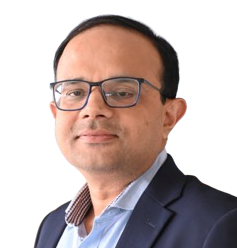
Principal Investigator
Jai Das Associate Director, Institute for Global Health and Development, Aga Khan University, Karachi, Pakistan

Co-Principal Investigator
Arjumand Rizvi Assistant Professor, Institute for Global Health and Development, Aga Khan University, Karachi, Pakistan
Project Management and Coordination

Bhavita Kumari
Other Key Team Members

Ahmed Atiullah
Abdullah Babar
Rasool Bux
Muzna Hashmi
Research Partners

Institute for Global Health and Development Aga Khan University
This project was conducted independently by IGHD, with no external research partner institutions.
Supported By

International Development Research Centre (IDRC) Through The Hospital for Sick Children (SickKids), Canada

The Hospital for Sick Children (SickKids) Canada
Grant name: Promoting Climate Resilience, Preparedness, Adaptation, and Response – PREPARE PAKISTAN
Funding period: October 1, 2024 – September 30, 2025
Grant Status
Completed / Finished
Key Achievements
- Field implementation started
- 1,993 households/participants enrolled across the five districts
- Workshops conducted
Expected Outputs / Deliverables
- Research publications
- Policy briefs
- Technical reports
- Training modules
- Community interventions
- Data dashboards
Reports and Resources
Reports, policy briefs, and publications will be added here as they become available.
Why This Matters
The PREPARE Pakistan dataset provides a foundation for vulnerability mapping and supports evidence-based decision-making for climate action in Pakistan's most at-risk regions. By generating district-level, household-level vulnerability and resilience profiles, the project informs targeted, district-specific resilience strategies — strengthening food security systems, expanding livelihood diversification, enhancing early warning systems, and improving access to education, credit, and climate-adaptive infrastructure across Pakistan's most climate-vulnerable communities.
Keywords
Climate Vulnerability; Climate Resilience; Disaster Risk Reduction; Disaster Preparedness; Household Survey; Climate Change Adaptation; Food Insecurity; Pakistan; Community Resilience; Public Health
Contact
Abdullah Babar
Research Associate
Institute for Global Health and Development
Aga Khan University
Email:
Abdullah.babar@aku.edu
Phone/WhatsApp: +92 346 2504450
Project Photo Gallery
×
❮
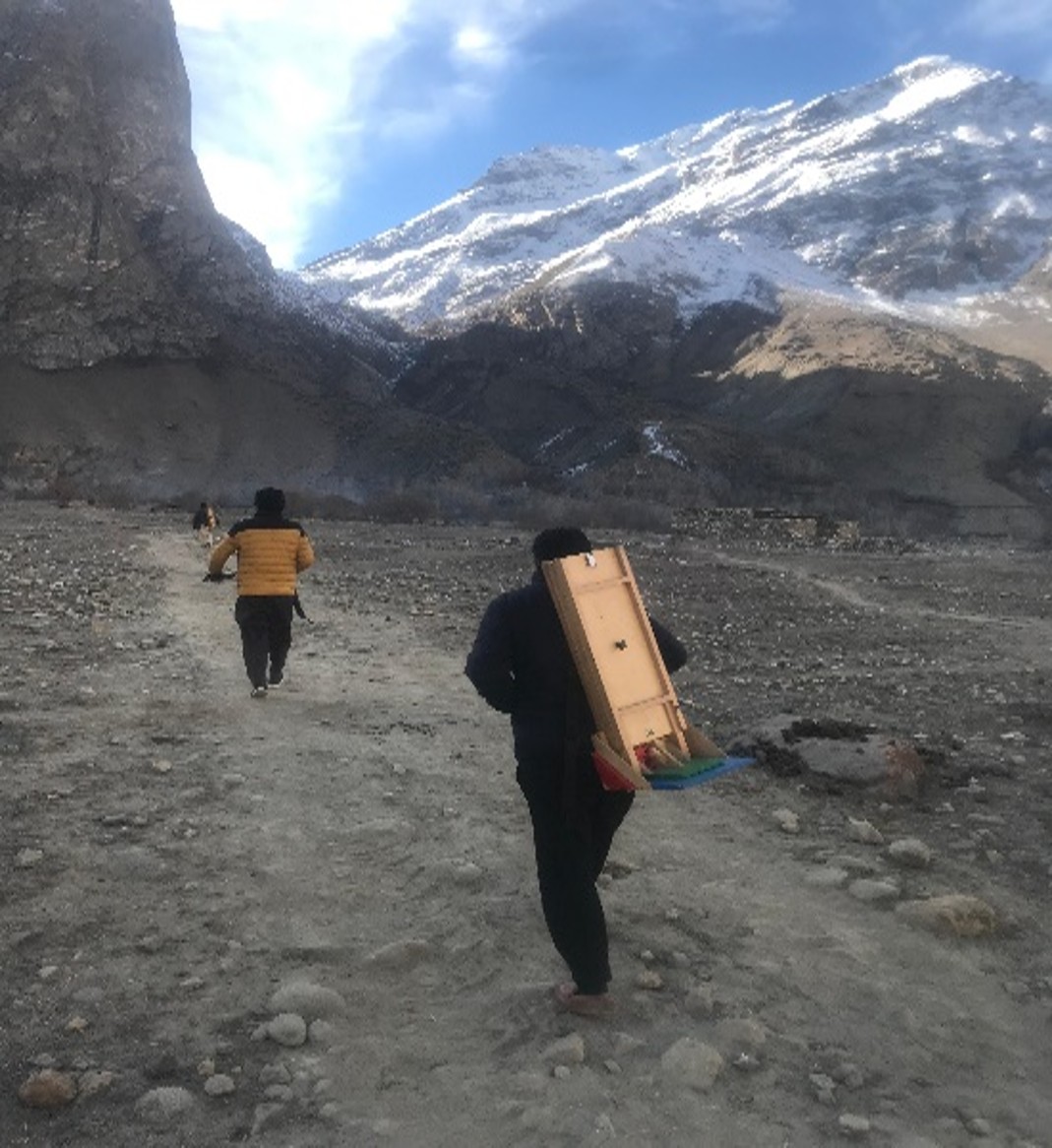
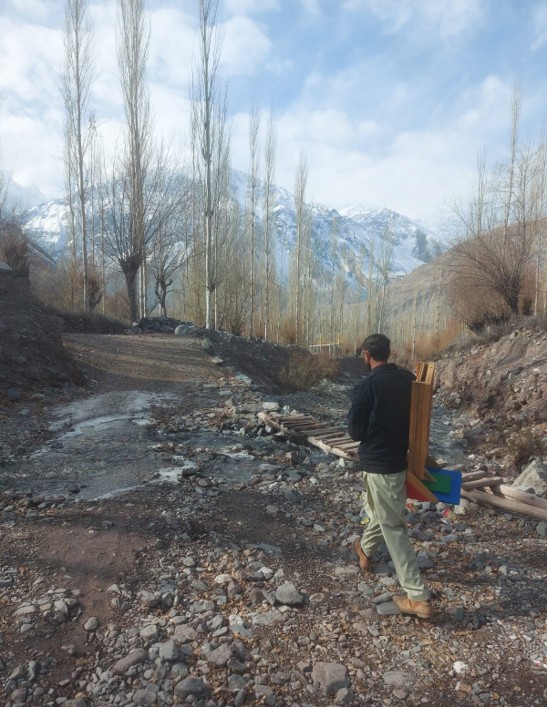
Team is enroute to the village to conduct a survey in the remote valley of Shigar district.
Photo credit: Abdullah Babar, Ahmed Atiullah
❯
×
❮
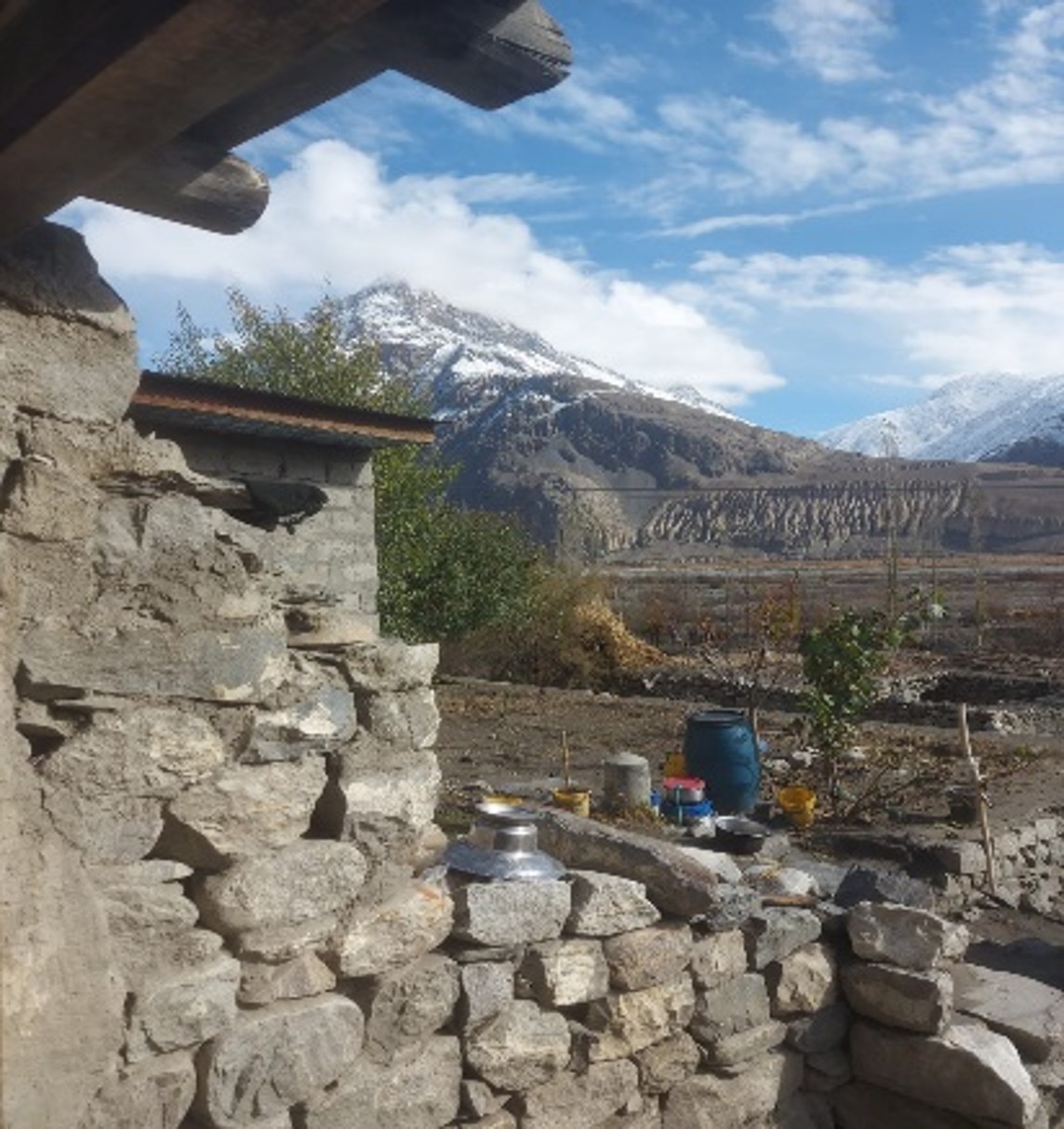
The household has been struck by a landslide.
Photo credit: Abdullah Babar, Ahmed Atiullah
❯
×
❮
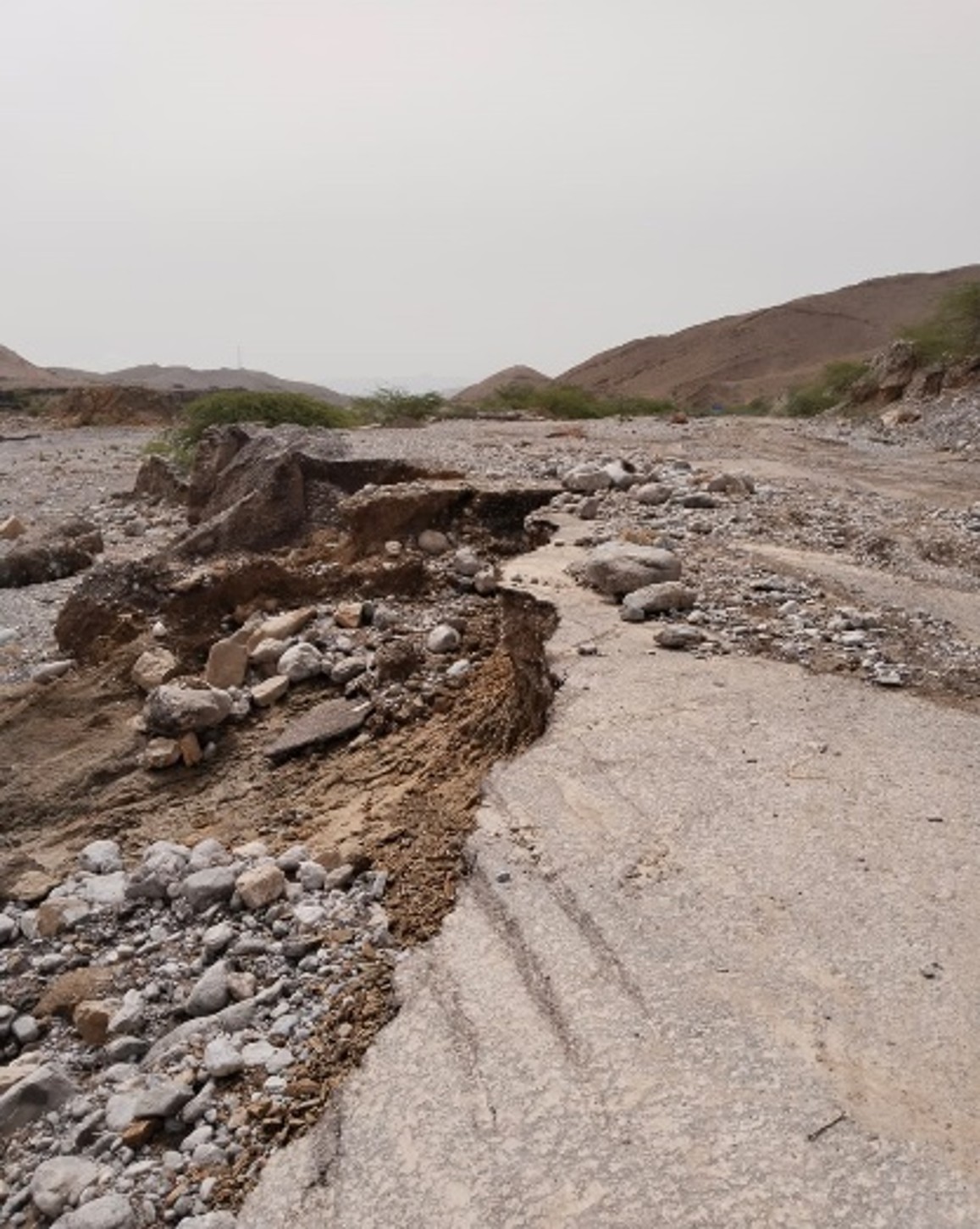
The main road has been destroyed by a riverine flood in Badin.
Photo credit: Abdullah Babar, Ahmed Atiullah
❯
×
❮
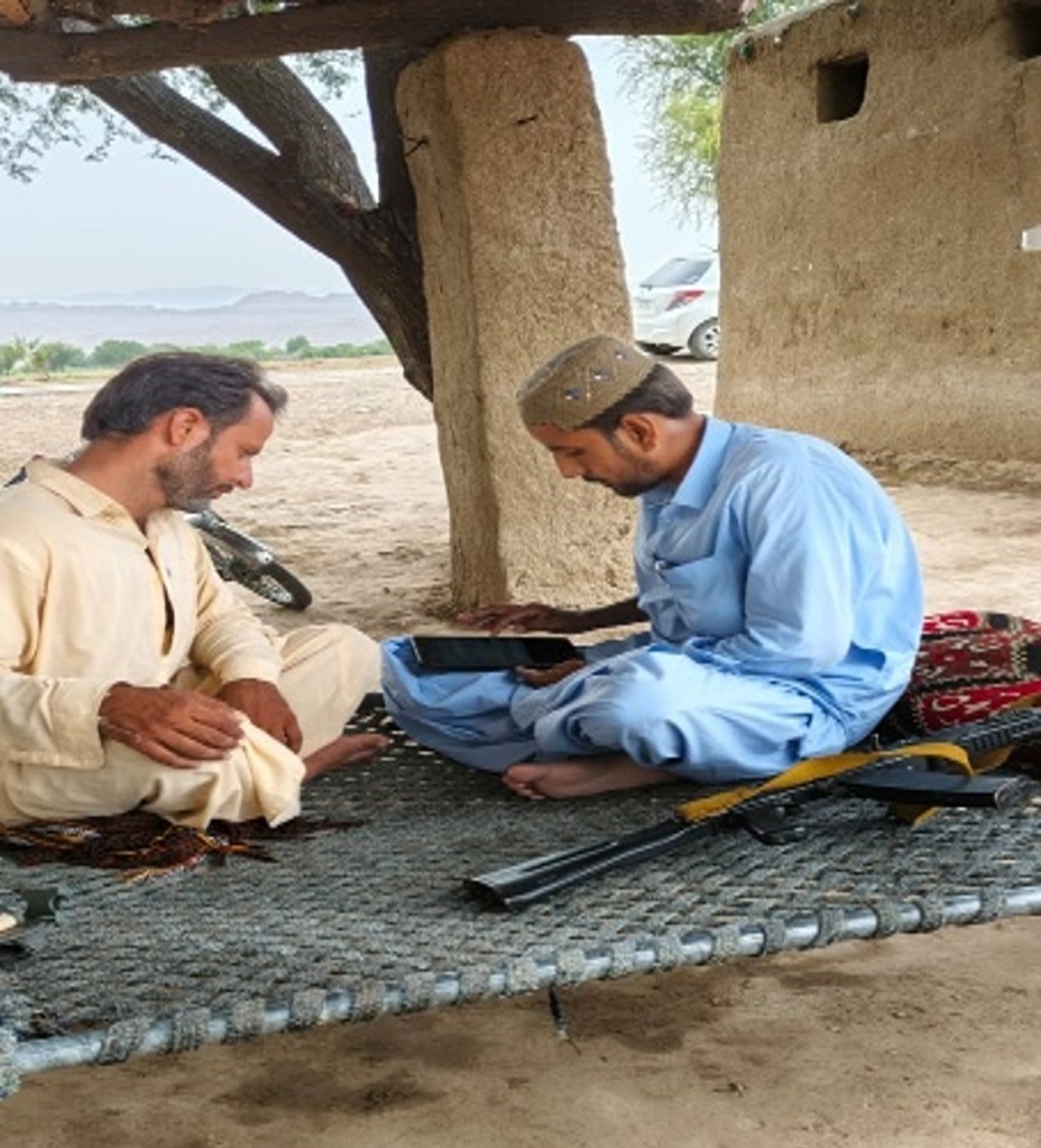
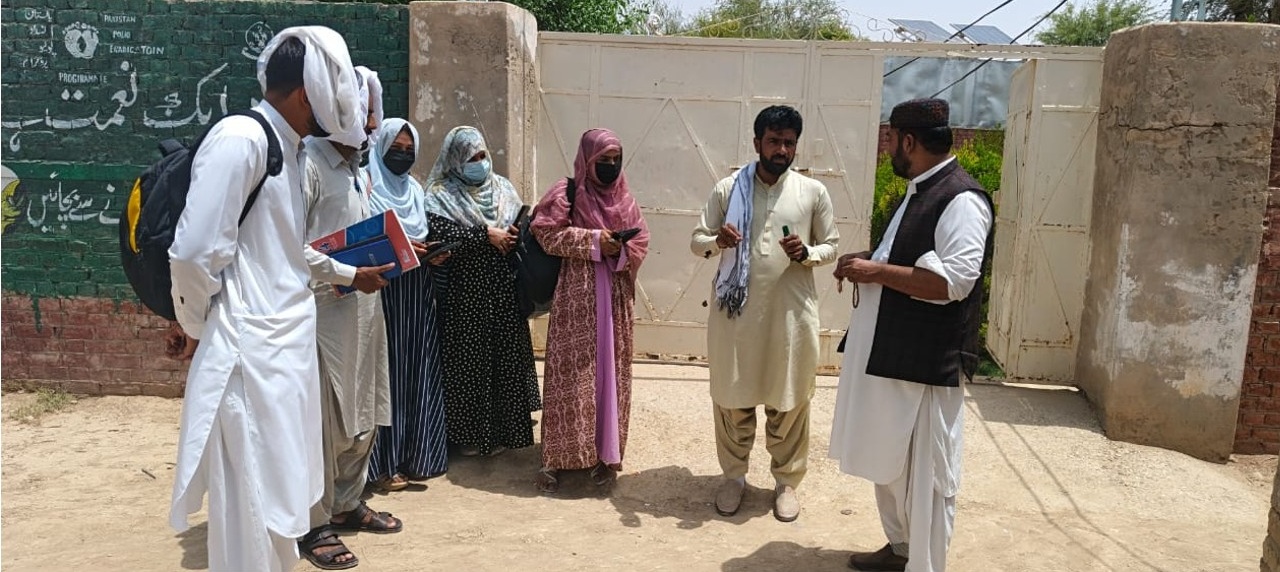
Enumerator conducting an interview with a respondent, illustrating the current security context in the region.
Photo credit: Abdullah Babar, Ahmed Atiullah
❯
×
❮
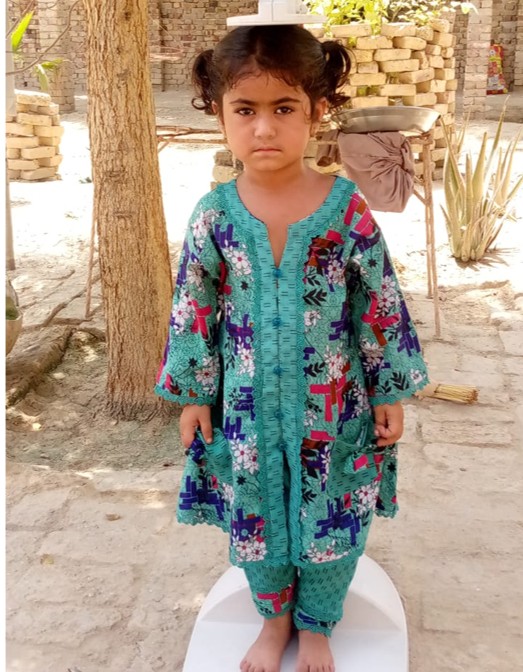
Caption pending.
Photo credit: Abdullah Babar, Ahmed Atiullah
❯
×
❮
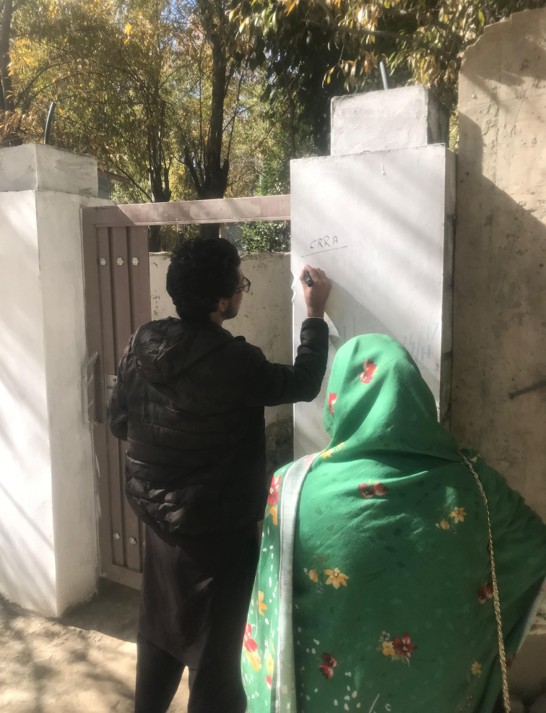
Caption pending.
Photo credit: Abdullah Babar, Ahmed Atiullah
❯
×
❮
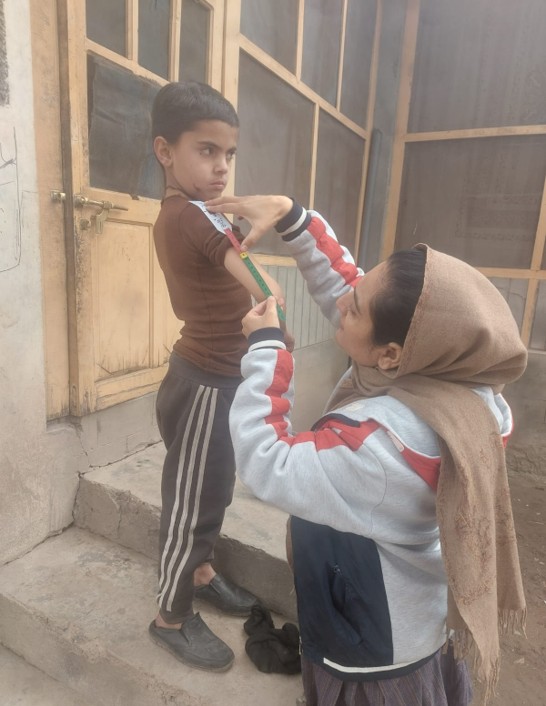
Caption pending.
Photo credit: Abdullah Babar, Ahmed Atiullah
❯
×
❮
Caption pending.
Photo credit: Abdullah Babar, Ahmed Atiullah
❯
×
❮
Caption pending.
Photo credit: Abdullah Babar, Ahmed Atiullah
❯
×
❮
Caption pending.
Photo credit: Abdullah Babar, Ahmed Atiullah
❯
×
❮
Caption pending.
Photo credit: Abdullah Babar, Ahmed Atiullah
❯