Structural Heat Adaptation and Education in Urban and Rural Settings (SHAPES)
Structural Heat Adaptation and Education in Urban and Rural Settings (SHAPES)
About the Project
The SHAPES (Structural Heat Adaptation and Education in Urban and Rural Settings) project is a community-based cluster randomized controlled trial designed to evaluate scalable interventions that reduce the health impacts of extreme heat among vulnerable populations in Pakistan. Climate change is increasing the frequency, intensity, and duration of heatwaves worldwide, with South Asia experiencing some of the highest temperatures and greatest health risks. Pakistan is consistently ranked among the countries most vulnerable to climate change, and urban informal settlements and rural communities face disproportionate risks because of poor housing conditions, limited access to cooling, high levels of outdoor and manual labor, and constrained healthcare resources. Heat exposure contributes to heat-related illnesses, exacerbates chronic diseases, reduces productivity, and increases morbidity and mortality, yet evidence on effective, context-specific adaptation strategies for low- and middle-income countries remains limited.
SHAPES addresses this critical evidence gap by evaluating a comprehensive package of structural and behavioral interventions aimed at improving household resilience to extreme heat. Structural interventions include measures such as reflective roof coatings, roof insulation, improved ventilation, and shading solutions that reduce indoor heat exposure. These are complemented by community-based education promoting hydration, appropriate clothing, work-rest cycles, early recognition of heat illness, first aid, and protective behaviors during periods of extreme heat. The study is being implemented across both urban informal settlements and rural communities in Sindh Province using a cluster randomized design, allowing rigorous assessment of effectiveness under real-world conditions.
The project employs a multidisciplinary approach that integrates environmental monitoring, household surveys, community surveillance, wearable technologies, and objective measurements of indoor temperatures and physiological responses. Primary outcomes include heat-related morbidity, while secondary outcomes assess thermal comfort, quality of life, healthcare utilization, and changes in indoor environmental conditions. Beyond generating high-quality evidence, SHAPES seeks to develop practical, affordable, and scalable adaptation strategies that can be incorporated into national heat action plans and community health programs.
By strengthening resilience among populations at greatest risk, SHAPES contributes to global efforts to adapt to climate change while advancing health equity. The findings are expected to inform policymakers, public health practitioners, and development partners on effective interventions that can be implemented across resource-constrained settings facing increasing heat stress.
Project Objectives
Primary:
- To assess the feasibility and effectiveness of a Resilience and Heat Adaptation Bundle (ReHAB) on heat-related health risks for vulnerable populations in urban settings of Pakistan.
- To assess the effectiveness of ReHAB on quality of life of vulnerable populations in urban settings of Pakistan.
Secondary:
- To evaluate the effectiveness of ReHAB on indoor heat in urban settings.
- To evaluate the impact of ReHAB on key physiological variables (sleep quality, heart rate, physical activity, and energy expenditure) in adults residing in urban settings.
Methodology / Approach
SHAPES is a community-based, cluster randomized controlled trial designed to evaluate the effectiveness of integrated structural and behavioral interventions for reducing heat-related illness and improving resilience to extreme heat in vulnerable communities. The study is being conducted in urban informal settlements of Karachi and rural communities in Matiari District, Sindh, Pakistan.
44 geographically distinct clusters are randomized in a 1:1 ratio to either the intervention or control arm. The intervention combines household-level structural modifications with a comprehensive community education program. The control arm continues to receive routine government and community services without the additional SHAPES intervention package.
The target population comprises households living in heat-vulnerable urban and rural communities. Data is collected through repeated household surveys, active community surveillance, environmental monitoring, and a sub-group using wearable devices to assess physiological responses to heat exposure. Indoor and outdoor environmental conditions, including temperature and humidity, are continuously monitored using environmental sensors and weather stations, while additional measurements assess thermal comfort, health outcomes, healthcare utilization, physical activity, sleep quality, and quality of life.
Primary analyses will follow the intention-to-treat principle using mixed-effects regression models that account for clustering and repeated measurements. Heat-related illness is the primary outcome, while secondary outcomes include thermal comfort, indoor temperature reduction, healthcare utilization, quality of life, and physiological indicators of heat stress. Process evaluation and implementation monitoring are conducted throughout the study to assess intervention fidelity, acceptability, feasibility, and scalability.
Study Location
Pakistan
The study is being implemented in Karachi and Matiari District, Sindh, across both urban and rural settings.
Study Population
The project focuses on households and communities in heat-vulnerable settings, with particular attention to rural communities and urban informal settlements across Karachi and Matiari District, Sindh.
Project Team
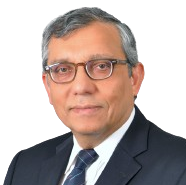
Principal Investigator
Dr Zulfiqar Ahmed Bhutta Director, Institute for Global Health and Development, and Distinguished University Professor
Aga Khan University

Co-Principal Investigator
Dr Jai Kumar Das Associate Director, Institute for Global Health and Development, and Associate Professor
Aga Khan University
Project Management and Coordination

Dr Syeda Kanza Naqvi
Assistant Manager Research, IGHD, Aga Khan University
Other Key Team Members

Syed Abbas Anjum Naqvi
Assistant Manager Research, IGHD, Aga Khan University
Muhammad Khan Jamali
Manager Research, IGHD, Aga Khan University
Research Partners

London School of Hygiene and Tropical Medicine (LSHTM)

University College London (UCL)
Supported By

Wellcome Trust
Grant Status
Active
Key Achievements
- Obtained all required ethical and regulatory approvals and established partnerships with local government authorities, community leaders, and other key stakeholders.
- Completed site selection, community engagement, household enumeration, baseline assessments, and randomization of 44 study clusters across urban Karachi and rural Matiari.
- Successfully enrolled participating households and established community groups to support intervention delivery, surveillance, and community engagement.
- Implemented the full intervention package, including household-level structural heat adaptation measures alongside community-based heat-health education.
- Deployed environmental monitoring systems for continuous measurement of indoor and outdoor temperature and humidity, with ongoing collection of environmental exposure data.
- Established a sub-group equipped with wearable devices to monitor physiological responses, physical activity, sleep, and personal heat exposure.
- Initiated weekly household surveillance to monitor heat-related illnesses, healthcare utilization, thermal comfort, and other health outcomes throughout the study period.
- Trained multidisciplinary field teams, engineers, community facilitators, and data collectors in standardized intervention delivery, environmental monitoring, and research procedures, strengthening local capacity for climate-health implementation research.
Expected Outputs / Deliverables
- Research publications
- Policy briefs
- Community interventions
- Workshops/webinars
Editor's note: The source form indicates these output types via checkboxes but does not include further descriptive detail for each. Please provide additional detail if the website should describe each output type in more depth.
Editor's note: No reports, publications, or resources with actual titles were provided in the source form (all rows were placeholder text), so a "Reports and Resources" section has not been included here. Please provide titles and links once available.
Why This Matters
The SHAPES project will generate high-quality evidence on effective, affordable, and scalable interventions to reduce the health impacts of extreme heat in vulnerable communities. By evaluating integrated structural and behavioral adaptation strategies, the project aims to reduce heat-related illness, improve thermal comfort, enhance quality of life, and strengthen community resilience to increasing heat exposure.
The findings will provide policymakers, public health agencies, and development partners with rigorous evidence to inform national Heat Action Plans, climate adaptation policies, urban planning, and primary healthcare programs in Pakistan and other low- and middle-income countries. The project is expected to support the integration of climate adaptation into health systems by demonstrating practical interventions that can be delivered through community-based approaches.
The project directly contributes to the Sustainable Development Goals, particularly SDG 3 (Good Health and Well-being), SDG 11 (Sustainable Cities and Communities), and SDG 13 (Climate Action), while advancing evidence-based approaches to climate resilience and sustainable public health practice.
Keywords
Climate Change; Heat Health; Heatwaves; Public Health; Climate Resilience; Implementation Research; Community Health; Built Environment; Low- and Middle-Income Countries (LMICs); Health Systems Strengthening
Contact
Project Photo Gallery
❮
 ❯
❯