Pre-Conference Workshops
June 8, 2026 at Pan Pacific Serviced Suites, Nairobi, Kenya
Explore our pre-conference workshops designed to bring together researchers, practitioners, policymakers, community organisations and development partners for practical learning, peer exchange and collaborative action.
Workshop 1
Strengthening Community Organizations to Advance Early Childhood Development
8:30 am – 4:00 pm
View session details
Workshop 3
Navigating Ethical Concerns in AI and Data Science for Health
8:30 am – 4:00 pm
View session details
Workshop 4
Supporting Families of Children with Developmental Disabilities
8:30 am – 3:30 pm
View session details
Workshop 5
Together for Every Child: Driving Integrated Government and Partner Action for Stronger Early Childhood Development Outcomes
8:30 am – 3:30 pm
View session details
Strengthening Community Organizations to Advance Early Childhood Development
Time: 8:30 am – 4:00 pm
Summary
This one-day pre-conference workshop will take a highly interactive approach to strengthening the capacity of Early Childhood Development community-based organizations. Through structured, facilitator-led group exercises, participants will critically examine the financing barriers they face, drawing on their own experiences to surface shared challenges and foster peer learning.
Building on these insights, the workshop will guide community-based organisations in articulating their theory of change and strengthening their impact storytelling, with a focus on clearly defining the change they create, for whom, and how this can be communicated effectively to funders. Facilitated by Aga Khan University Institute for Human Development and Open Capital, the session will support participants to develop more compelling and fundable narratives, enhancing their ability to position their organizations strategically within the funding landscape.
This pre-conference workshop is held under the ECD Workforce Hub. The Hub is intended to advance the wellbeing of children and families by strengthening the capacity of the ECD workforce to deliver high-quality programmes and policies. Learn more about the ECD Workforce Hub:
https://ecdworkforcehub.org/
Facilitators

Ryan Ombara, Project Leader, Open Capital Advisors
Ryan Ombara is a Project Leader at Open Capital Advisors with over eight years of experience in strategy consulting, development finance, and investment advisory across sub-Saharan Africa. He has extensive experience working with community-based organisations, governments, and foundations to design financing solutions and build organisational capacity for inclusive development. He recently co-facilitated Open Capital's three-day CBO financial management training with Aga Khan University’s Institute for Human Development and has supported organisations across East Africa to strengthen their financial management, governance, and impact storytelling.
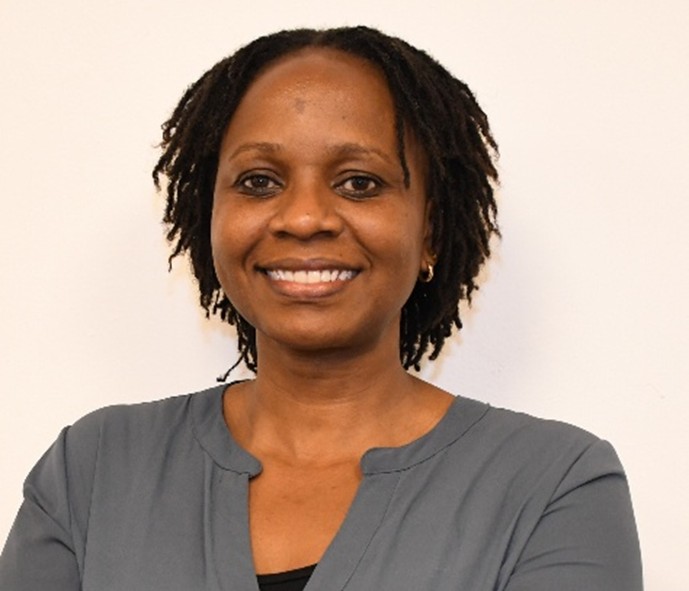
Everlyne Okeyo, ECD Technical Specialist, Institute for Human Development, Aga Khan University
Everlyne is an Early Childhood Development Specialist with over a decade of experience in managing ECD programmes across different contexts. She is currently the ECD Technical Specialist at Aga Khan University’s Institute for Human Development. She holds a master’s degree in education and a Diploma in Project Management. Over the years, she has led the development and delivery of various courses for different cadres of ECD stakeholders including government leaders and frontline workers in Kenya and beyond.
Back to workshops
Mechanistic Pathways of Human Behaviour: Integrating Electrophysiological and Behavioural Approaches
Time: 8:30 am – 4:00 pm
Summary
The neuroscience pre-conference workshop will provide an engaging and practice-oriented introduction to electroencephalography and event-related potentials. Participants will learn more about basic EEG and ERP concepts and engage in practical hands-on sessions on how to use these techniques to evaluate brain activity.
Through guided demonstrations by an expert in the field and open discussions, the workshop participants will also learn key approaches to preprocessing, analysing, and interpreting EEG and ERP data. The workshop will conclude with an open forum featuring journal Editors and Senior Research Scientists. This will help participants to refine their writing skills, understand the editorial process, and boost their publication success in high-impact behavioural science journals.
This pre-conference workshop is held under the ALMA programme. ALMA offers training for young African scientists to equip them with skills to objectively measure brain health in children and adolescents. Learn more about ALMA:
https://almaafrica.org
Facilitators

Prof. Robert Oostenveld, Associate Principal Investigator, Donders Institute for Brain, Cognition and Behaviour
Prof. Oostenveld is internationally recognised for his pioneering contributions to neuroscience data analysis and brain imaging methodologies, particularly in EEG and MEG research. He is ranked among the world’s top 2,000 neuroscientists and among the top 100 in the Netherlands. He has also been named a Highly Cited Researcher in Neuroscience and Behaviour by Clarivate for seven consecutive years, among other international recognitions for his outstanding contribution to the field of neuroscience.

Dr Ronald Kipkirui, Aga Khan University, Institute for Human Development
Dr Ronald has experience applying neuroscientific techniques such as Transcranial Magnetic Stimulation and Electroencephalography. Previously, he applied TMS to understand the causal role of distinct brain areas in various aspects of human cognition, including executive functions. Dr Ronald is passionate about studying the neurophysiology of developmental disorders, particularly in children and adolescents, and examining conditions like HIV and Sickle Cell Disease.
Back to workshops
Navigating Ethical Concerns in AI and Data Science for Health
Time: 8:30 am – 4:00 pm
Summary
The session will highlight a timely conversation on ethical concerns in AI and data science, exploring the opportunities, risks, and responsibilities associated with the growing use of digital technologies in health research and care.
Discussions will focus on key issues such as data privacy, informed consent, algorithmic bias, equity, community engagement, and the responsible use of AI in maternal, newborn and child health and mental health studies. The session will also provide a platform for researchers, practitioners, policymakers, and communities to reflect on how AI and data science can be applied in ways that are inclusive, contextually relevant, transparent, and ethically grounded within African health systems.
This pre-conference workshop is held under the UZIMA-DS hub, a research hub aimed at improving maternal, newborn, child, and mental health outcomes in Kenya, using AI and machine learning. Learn more about the UZIMA-DS hub:
https://uzimadatascience.org/
Facilitators
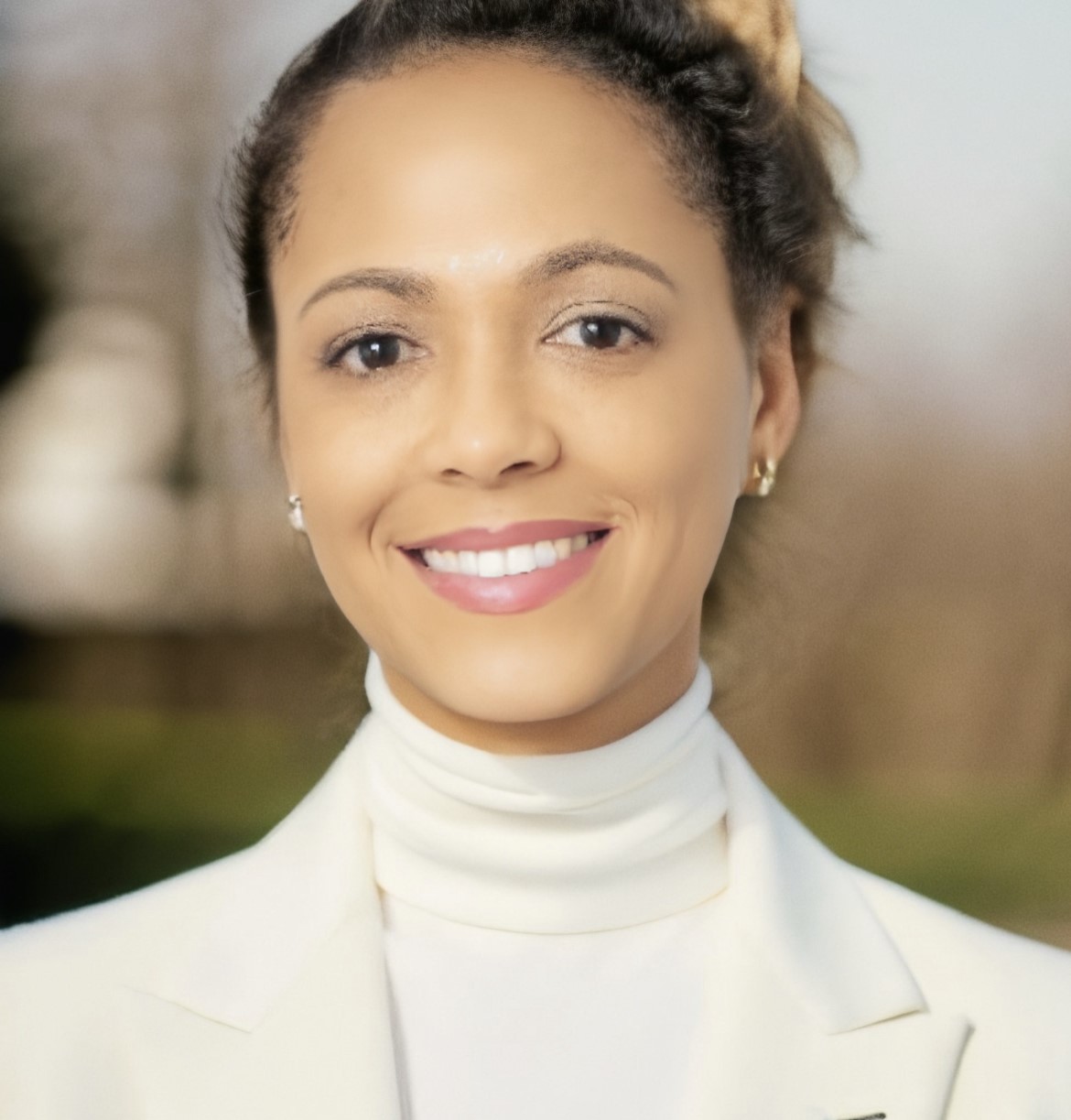
Prof. Shawneequa Callier, Associate Professor, Department of Clinical Research and Leadership, George Washington University
Shawneequa Callier is an Associate Professor in the Department of Clinical Research and Leadership at the George Washington University School of Medicine and Health Sciences in Washington, DC. She has nearly two decades of experience analyzing the ethical, legal, and social implications of emerging technologies, including genomics research, data science, and artificial intelligence.
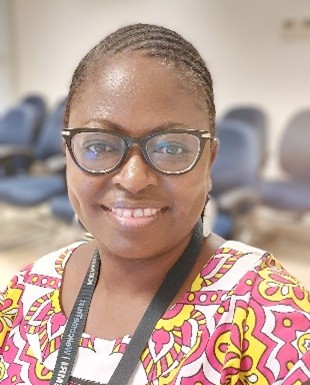
Noni Mumba, Head of Engagement, KEMRI Wellcome Trust Research Programme
Noni Mumba is an engagement practitioner with over 10 years experience in community and public engagement for global health research in low-and-middle-income-country settings. This expertise also includes engaging with broader specific publics of interest, including local, national and international global health research stakeholders, including funders. Her role at KWTRP includes development of engagement strategies and innovative approaches for the engagement and involvement of host communities, stakeholders, and policy makers in research planning, conduct and uptake of findings into policy.
She is involved in building capacity of KWTRP engagement staff as well as researchers on engagement. In the last five years, this capacity strengthening has extended beyond KWTRP, through webinars, teaching engagements and collaborative research projects. She is a member of the Global Health Bioethics Network, the NIHR Community Engagement and Involvement Advisory Network, and has co-authored several publications on community engagement and ethics.
Back to workshops
Supporting Families of Children with Developmental Disabilities: Early Identification, Interventions, Advocacy, and Sectoral Strengthening
Time: 8:30 am – 3:30 pm
Summary
This pre-conference convenes global and regional researchers, government and private-sector practitioners, civil society organisations, and caregivers to share lessons on how to better support families of children with developmental disabilities.
Presentations will spotlight ongoing research in Africa. Discussions will span early identification and assessment, caregiver-led and community-based interventions, disability mainstreaming and advocacy, and strengthening multi-sectoral coordination across the health, education, and social sectors. Through short talks, panel discussions, and roundtable exchanges, participants will share recent innovations, amplify caregiver voices, forge partnerships, and identify practical-oriented solutions that can be adapted and scaled across different contexts.
This pre-conference workshop is held under the SPARK project. SPARK is an international research collaboration between researchers and community stakeholders in Ethiopia, Kenya, the UK and the World Health Organization supporting communities to improve the lives of children with developmental disabilities and their caregivers. Learn more about SPARK:
https://www.thesparkproject.net/
Facilitators
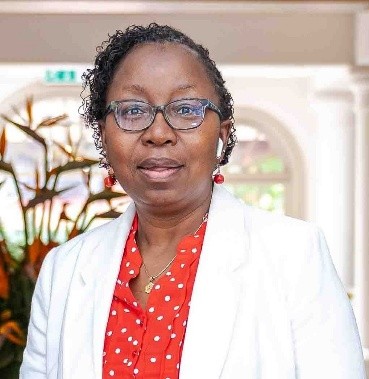
Dr Patricia Wekulo-Kitsao, Research Scientist and Lead, Early Childhood Development Unit, African Population and Health Research Center
Dr Patricia Kitsao-Wekulo is a Research Scientist and Lead of the Early Childhood Development Unit at the African Population and Health Research Center. Her work focuses on strengthening caregiving environments through evidence-based, scalable interventions that improve child development, caregiver well-being, and women’s economic empowerment. Her current research integrates neuroimaging, gender-transformative parenting, and childcare systems to generate policy-relevant evidence.
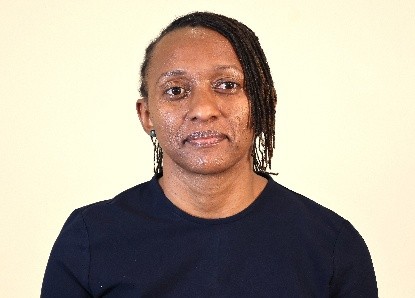
Dr Vibian Angwenyi, Assistant Professor, Institute for Human Development, Aga Khan University
Dr Vibian Angwenyi is an Assistant Professor at Aga Khan University’s Institute for Human Development. She supports research on early childhood development, with a focus on parenting interventions and childhood disabilities, applying mixed-methods research and implementation science. She currently serves as the Nairobi-based project coordinator for the NIHR-funded multi-country collaborative research SPARK.
Back to workshops
Together for Every Child: Driving Integrated Government and Partner Action for Stronger Early Childhood Development Outcomes
Time: 8:30 am – 3:30 pm
Summary
The pre-conference workshop will serve as a platform to strengthen collaboration and promote a coordinated approach to supporting young children and their caregivers by establishing effective ECD coordination mechanisms across FCDC counties. It will convene key stakeholders from county health, education, and social services departments, regional economic blocs including LREB and FCDC, and partner organisations.
Through interactive discussions, practical exercises, and experience sharing, participants will identify coordination gaps, clarify roles and responsibilities, and jointly develop a structured framework tailored to the FCDC context, while enhancing communication, integration of ECD services, and efficient resource use.
This pre-conference workshop is held under the ECD Workforce Hub. The Hub is intended to advance the wellbeing of children and families by strengthening the capacity of the ECD workforce to deliver high-quality programmes and policies. Learn more about the ECD Workforce Hub:
https://ecdworkforcehub.org/
Facilitators
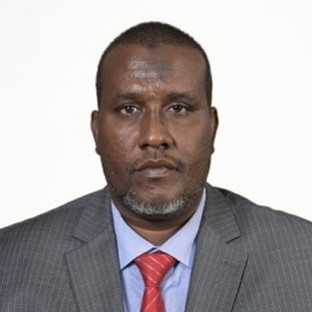
Abdullahi Hassan Maalim, Education & Governance Sector Lead, Frontier Counties Development Council
Abdullahi Hassan Maalim is an Education Governance and Policy Specialist with over 25 years of experience in public administration, devolution, education planning, and institutional reform. He currently serves as Education & Governance Sector Lead at the Frontier Counties Development Council, where he leads regional education and governance initiatives across Kenya’s ASAL counties.
His key areas of expertise include Early Childhood Development systems strengthening, development of inclusive digital learning ecosystems in underserved regions, and governance transformation through cross-county collaboration, stakeholder engagement, and public sector reform. He is passionate about transformative leadership, equitable access to quality education, and sustainable development.
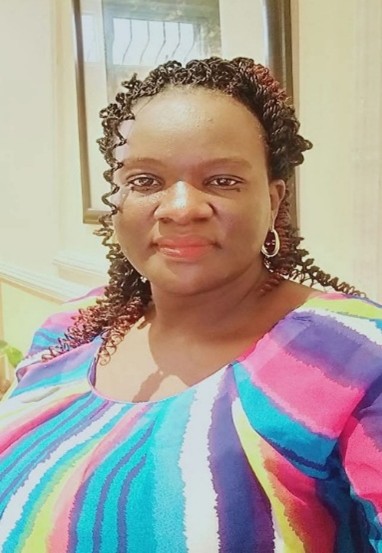
Easter Elizabeth Okello, Technical Lead, Education and Training Pillar, Lake Region Economic Bloc
Easter Elizabeth Okello is the Technical Lead for the Education and Training Pillar at the Lake Region Economic Bloc Secretariat, where she spearheads initiatives on Nurturing Care for Early Childhood Development across 14 member counties. A PhD candidate in Development Studies at Jomo Kenyatta University of Agriculture and Technology, Easter has extensive experience in education, gender, and human resource development.
She has led the formulation of regional policies, coordinated the rollout of ECD programmes, and built multisectoral partnerships with local and international stakeholders to strengthen early learning systems. Passionate about empowering women and youth, she also advocates for inclusive, gender-responsive education and sustainable community development.
Back to workshops