At a time when powerful institutions and corporations hoard African data, leaving communities voiceless, vulnerable to extractive practices, and misinformed, DataFest Africa 2025 has illuminated a different path. This year's theme 'Reclaiming our Data Futures' has shone a light on grassroots innovators reclaiming their digital identities by deploying community-driven data tools to counter falsehoods and co-creating practical solutions that drive shared prosperity. We shifted the conversation and perspective by focusing on how data can work for the growth and empowerment of local African communities. Conversations and exhibitions highlighted how micro-businesses, community leaders, youth groups, artists, and grassroots communities are using data to safeguard neighborhoods, employ citizen science to map and monitor local needs, and ignite social change. Watch the highlight video here.
Afya Gemma is a next-generation, Gen AI-powered clinical decision support platform built specifically for the realities of Kenyan and East African healthcare systems. By combining trusted Kenyan medical guidelines, AKU protocols, and WHO standards, Afya Gemma provides frontline clinicians with real-time, locally relevant, and practical clinical guidance. The platform helps reduce diagnostic errors, improve treatment accuracy, close knowledge gaps, and support clinicians working in resource-limited environments. Ultimately, Afya Gemma is creating the blueprint for reliable, locally relevant healthcare across Africa. We are proud to be part of the 2025 Google.org Generative AI Accelerator Cohort which aims to provide resources to help address barriers that prevent the social sector from harnessing the power of generative AI. Together, we are reimagining Kenyan healthcare one prompt at a time. Learn more about Afya Gemma.

Equitable Tech or Just Business?
For technology to truly empower low- and middle-income countries (LMICs), tools like cloud computing must be priced fairly. Not at the same rates as high-income countries. The current cloud computing costs, often aligned with high-income markets, limit the ability of African researchers, entrepreneurs, and innovators to build and scale digital solutions. We are calling on global cloud providers to adopt equitable pricing models that reflect local economic realities, ensuring that technology becomes a catalyst for inclusive growth rather than a barrier. By making access affordable, Africa can move from being a consumer of technology to becoming a creator in the digital economy. Read more.
 Democratizing AI in Africa: A New Dawn of Opportunity in Africa
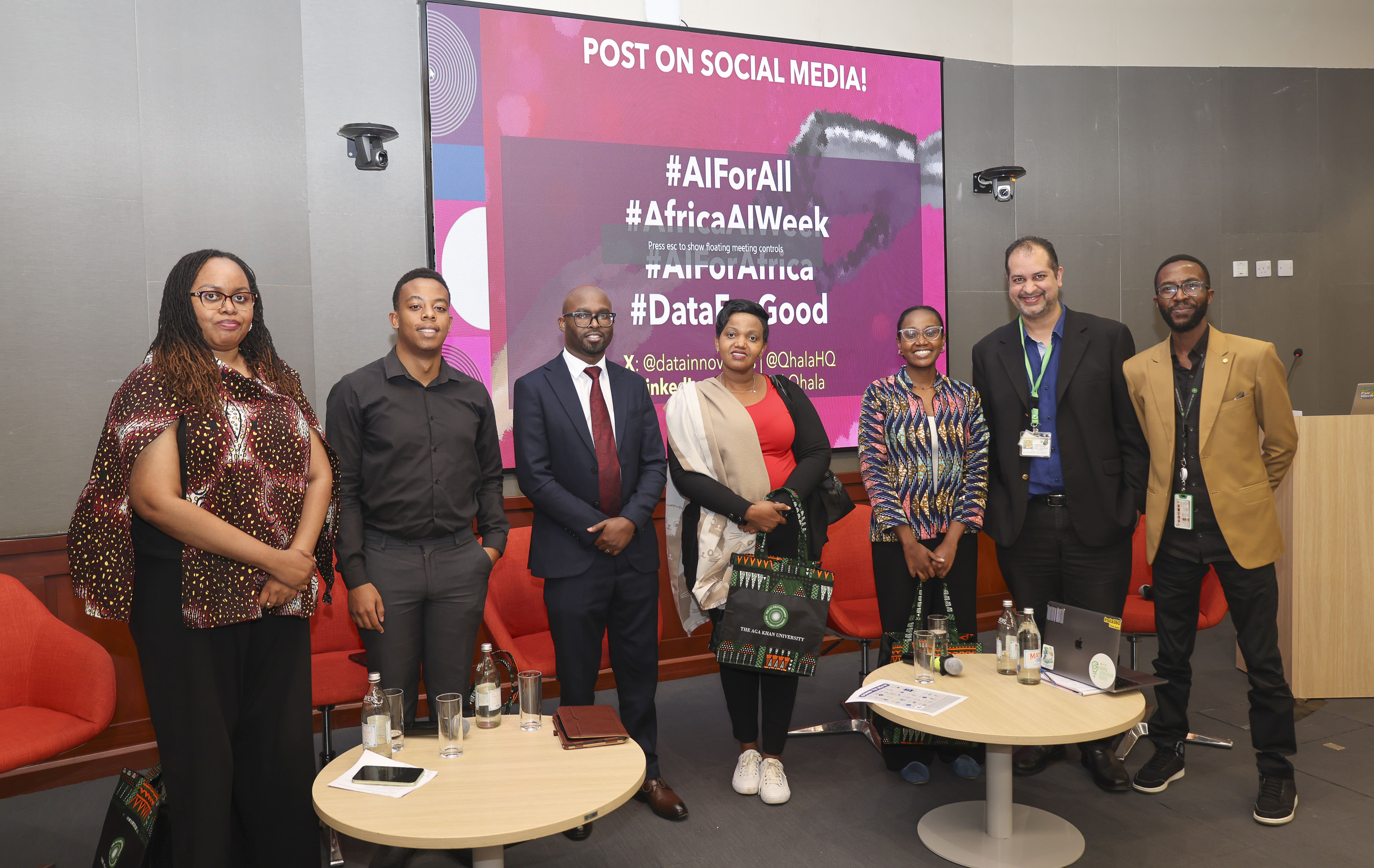
Africa is on the cusp of an AI revolution, yet access to skills and tools remains limited. With one of the world’s youngest populations, the continent has the potential to become a creator, not just a consumer, of AI, but a major talent gap persists. Africa AI Week 2025 tackled this challenge by taking AI learning directly into communities through boot camps, school outreach, and media campaigns. The AKU Data Innovation Office partnered with Qhala to spread awareness on this initiative that aims to make AI literacy practical and accessible across classrooms, clinics, farms, and small businesses. With a goal to reach 100 million people by 2028, the movement aims to empower all Africans to participate in and shape the continent’s AI-enabled future. Read more.
From Setback to Breakthrough: How Redesigning Our EHR Data Repository Transformed Our Team
Early in 2024, our ambitious project to build a unified electronic health record (EHR) repository for researchers hit a wall. The system was complicated, inflexible, and failing to deliver on its promise. Rather than abandon the effort, we embraced what we call “FAIL — First Attempt In Learning.” We scrapped the old design and, after deeply consulting with researchers to understand their workflows and needs, rebuilt from the ground up. The result? By October, a new, streamlined, user-focused repository, one that truly enables easy access to data and supports meaningful research. More than a technical overhaul, the project sparked a cultural shift. Our team stepped out of comfort zones, enhanced problem-solving skills, and learned to collaborate more effectively. The outcome is not just a working system but a transformed team, committed to listening, iterating, and turning challenges into innovation. Read more.